


Dental Scientist Training Program
book_2 Learning Mode: Residential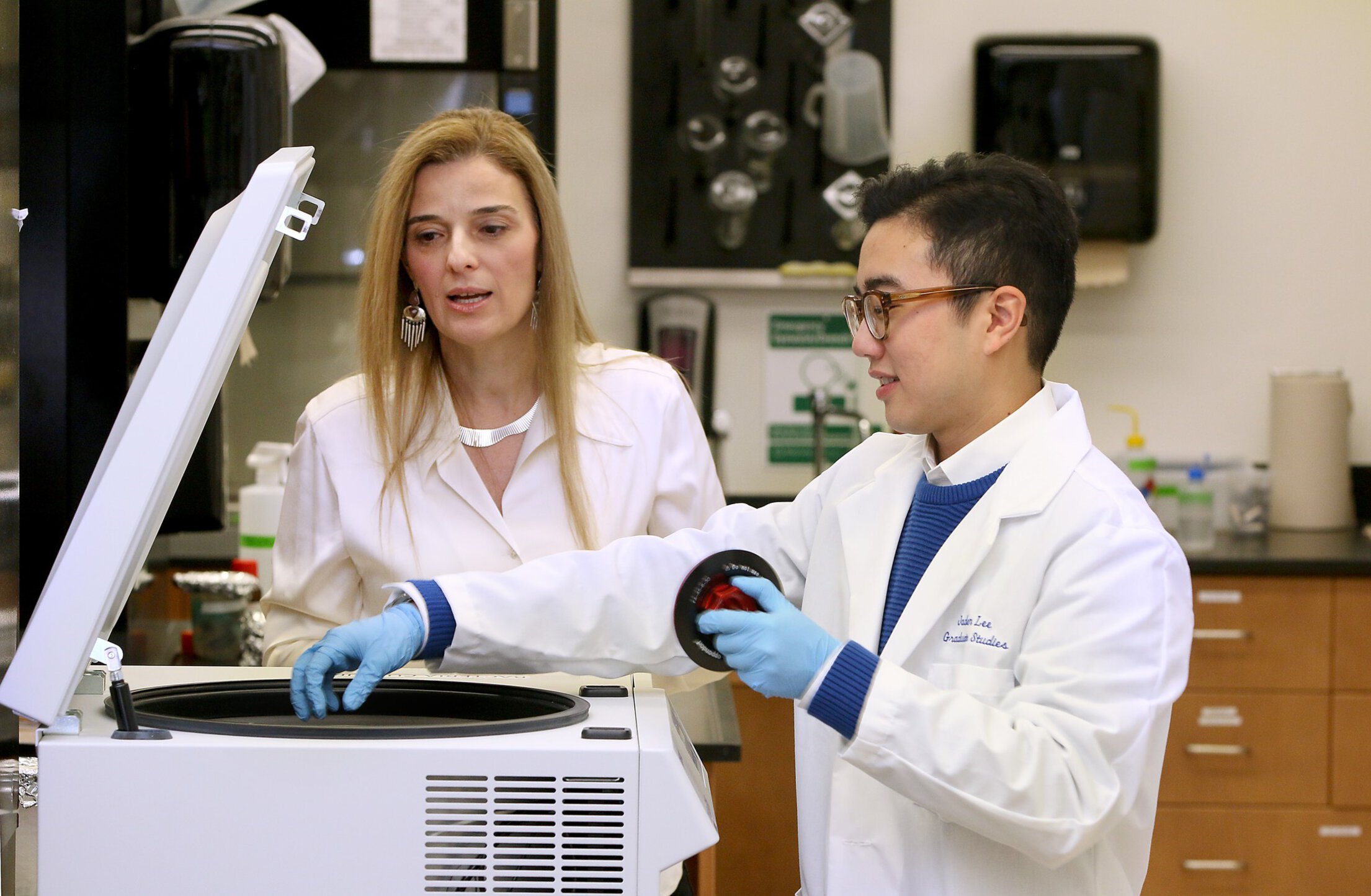
Program Overview
Prepare for a leadership role in the fast-changing field of dental sciences through the Dental Scientist Training Program (DMD, Ph.D.) at the Medical University of South Carolina. This program enables students to earn both a Doctor of Dental Medicine and a Doctor of Philosophy by combining comprehensive dental education with advanced biomedical research training. Over a seven-to eight-year journey, students develop exceptional clinical expertise, conduct impactful research and learn to translate discoveries into better patient care and public health outcomes. Mentorship is a key component of research training. Graduates are prepared to influence the future of dentistry through innovation, scholarship, teaching and dedicated service to the profession.
Application Dates
AADSAS opens: May 12, 2026
MUSC opens: July 1, 2026
Final deadline: Dec. 15, 2026
1/12
NIH-backed dual degree programs at U.S. dental colleges
20
consecutive years of NIDCR funding
94%
of trainees receive an F30 individual NIH award
28
faculty training in craniofacial and oral health research
Success you can measure
From national recognition to student satisfaction and real-world results, these numbers reflect the value and impact waiting for you in our program.
Learning Experience
Begin with one year of dental school, engage in four years of full-time doctoral research, then complete the final three years of dental school.
Inside the Program
At the heart of the Dental Scientist Training Program at the Medical University of South Carolina, you will experience a dynamic fusion of clinical dentistry and cutting-edge biomedical research that prepares you to lead in both practice and science. This residential dual-degree pathway allows you to earn your Doctor of Dental Medicine (DMD) while advancing deep research expertise through a Doctor of Philosophy in Biomedical Sciences (Ph.D.) under the mentorship of nationally recognized faculty.
From the beginning, you will rotate through hands-on dental clinics and simulation labs equipped with state-of-the-art digital technologies while engaging in rigorous coursework that builds foundational clinical skills. Between intensive research years and dental curriculum segments, you will design and conduct original research projects that aim to translate discoveries from the lab to patient care and community health.
Day-to-day academic life blends patient care, scientific inquiry, and collaboration with peers and interdisciplinary research teams. You will present at regional and national meetings, refine your skill at communicating complex science, and prepare for a career that spans academic leadership, translational research, and innovative dental practice.
Curriculum
The Dental Scientist Training Program curriculum consists of 388-403 or more credits and is designed to be completed in 24 semesters. Below is the standard plan of study outlining the structured progression of coursework as you advance through the program.
Year 1, Summer
| Course ID | Course Title | Credits |
|---|---|---|
| DBSCI724 | Gross Anatomy | 8 |
| GENDT802 | Introduction to Dentistry | 2.5 |
| Semester Total | 10.5 | |
Year 1, Fall
| Course ID | Course Title | Credits |
|---|---|---|
| CLNDM805 | Early Clinics I | 2 |
| DBSCI727 | Dental Biochemistry | 3 |
| DBSCI728A | Cell Bio and Basic Histology | 3 |
| DBSCI728B | Oral Histology and Embryology | 2 |
| DPOH806 | Preventive Dentistry | 1 |
| FXPRO801 | Pre-Clinical Occlusion I | 2.5 |
| GENDT801 | Dental Morphology | 3 |
| GENDT804 | Nutrition and Oral Health | 1 |
| GENDT819 | Infection Control | 1 |
| PERIO802 | Periodontics I | 2 |
| GENDT831 | Evidence Based Dentistry | 0.5 |
| IP711 | IP Foundations & TeamSTEPPS | 1 |
| IP### | Interprofessional Elective | 1 |
| Semester Total | 23 | |
Year 1, Spring
| Course ID | Course Title | Credits |
|---|---|---|
| CLNDM806 | Early Clinics II | 2.5 |
| DBSCI723 | Dental Microbiology | 4 |
| DBSCI725 | Physiology | 6 |
| DBSCI729 | Oral Immunology/Biology | 4 |
| MATSC801 | Dental Materials | 2.5 |
| PROS820 | Implant Prosthodontics I | 2.5 |
| STOMA880 | Behavioral Science | 2 |
| Semester Total | 25.5 | |
Year 2, Summer
| Course ID | Course Title | Credits |
|---|---|---|
| CGS720 | Laboratory Rotation | 4 |
| CGS721 | Laboratory Rotation | 4 |
| CGS970 | Research | 3-6 |
| Semester Total | 11-14 | |
Year 2, Fall
| Course ID | Course Title | Credits |
|---|---|---|
| CGS768 | Techniques & Experimental Design | 2 |
| MCBP745 | Topics in Oral Health Sciences | 0.5 |
| MCBP747 | Oral Health Science Seminar Series | 0.5 |
| ###970 | Research | 3-6 |
| Semester Total | 6-9 | |
Year 2, Spring
| Course ID | Course Title | Credits |
|---|---|---|
| CGS770 | Principles Practices & Professionalism | 2 |
| CGS772 | Learning From the Literature | 2 |
| MCBP745 | Topics in Oral Health Sciences | 0.5 |
| MCBP747 | Oral Health Science Seminar Series | 0.5 |
| ###970 | Research | 3-6 |
| Semester Total | 8-11 | |
Year 3, Summer
| Course ID | Course Title | Credits |
|---|---|---|
| ###970 | Research | 3-6 |
| Semester Total | 3-6 | |
Year 3, Fall
| Course ID | Course Title | Credits |
|---|---|---|
| CGS700 | Introduction to Biostatistics | 4 |
| CGS727 | Designing Rigorous Research | 1 |
| CGS769 | Deconstructed F Grant Writing | 1 |
| MCBP745 | Topics in Oral Health Sciences | 0.5 |
| MCBP747 | Oral Health Science Seminar Series | 0.5 |
| ###970 | Research | 3-6 |
| DEPT | Any additional department specific requirements | |
| Semester Total | 10-13 | |
Year 3, Spring
| Course ID | Course Title | Credits |
|---|---|---|
| MCBP745 | Topics in Oral Health Sciences | 0.5 |
| MCBP747 | Oral Health Science Seminar Series | 0.5 |
| ###970 | Research | 3-6 |
| DISS | Dissertation | 8-11 |
| Semester Total | 15* | |
Year 4, Summer
| Course ID | Course Title | Credits |
|---|---|---|
| DISS | Dissertation | 15 |
| Semester Total | 15 | |
Year 4, Fall
| Course ID | Course Title | Credits |
|---|---|---|
| MCBP745 | Topics in Oral Health Sciences | 0.5 |
| MCBP747 | Oral Health Science Seminar Series | 0.5 |
| DISS | Dissertation | 14 |
| Semester Total | 15 | |
Year 4, Spring
| Course ID | Course Title | Credits |
|---|---|---|
| MCBP745 | Topics in Oral Health Sciences | 0.5 |
| MCBP747 | Oral Health Science Seminar Series | 0.5 |
| DISS | Dissertation | 14 |
| Semester Total | 15 | |
Year 5, Summer
| Course ID | Course Title | Credits |
|---|---|---|
| DISS | Dissertation | 15 |
| Semester Total | 15 | |
Year 5, Fall
| Course ID | Course Title | Credits |
|---|---|---|
| MCBP745 | Topics in Oral Health Sciences | 0.5 |
| MCBP747 | Oral Health Science Seminar Series | 0.5 |
| DISS | Dissertation | 14 |
| Semester Total | 15 | |
Year 5, Spring
| Course ID | Course Title | Credits |
|---|---|---|
| MCBP745 | Topics in Oral Health Sciences | 0.5 |
| MCBP747 | Oral Health Science Seminar Series | 0.5 |
| DISS | Dissertation | 14 |
| Semester Total | 15 | |
Year 6, Summer
| Course ID | Course Title | Credits |
|---|---|---|
| ###970 | Research | 15 |
| Semester Total | 15 | |
Year 6, Fall
| Course ID | Course Title | Credits |
|---|---|---|
| CLNDM810 | Early Clinics III | 2 |
| ENDO816 | Principles of Endodontics | 3 |
| FXPRO806 | Fixed Prosthodontics II | 2.5 |
| GENDT805 | Operative I and Cariology | 4.5 |
| OMFS801 | Oral Surgery I | 1 |
| ORAD800 | Introduction to Rad Tech & Interp | 2 |
| ORTHO801 | Orthodontics I | 2 |
| RMPRO811 | Complete Dentures Pros I | 4.5 |
| SDENT623 | General & Systemic Pathology | 3.5 |
| SDENT838 | Oral Medicine I | 1 |
| Semester Total | 26 | |
Year 6, Spring
| Course ID | Course Title | Credits |
|---|---|---|
| CLNDM811 | Early Clinics IV | 2.5 |
| DBSCI726 | Pharmacology | 4 |
| ENDO817 | Endodontic Technique | 2 |
| FXPRO807 | Fixed Prosthodontics III | 2.5 |
| GENDT830 | Operative II | 4 |
| OMFS805 | Comp. Control of Pain/Anxiety Dentistry | 1 |
| ORTHO802 | Orthodontics II | 2 |
| PDENT800 | Pediatric Dentistry I | 1 |
| RMPRO813 | Complete Dentures II | 1.5 |
| RMPRO835 | Removable Partial Pros | 3.5 |
| SDENT907 | Oral Medicine II | 1 |
| Semester Total | 25 | |
Year 7, Summer
| Course ID | Course Title | Credits |
|---|---|---|
| CLNDM890 | Orientation to Clinics | 1 |
| CLNDM896 | Junior Attendance I | 2 |
| GENDT809 | Basic Techniques in CAD/CAM | 1 |
| GENDT835 | Treatment Plan Fundamentals | 1 |
| GENDT888 | Preclinical Skills Assessment | 0.5 |
| OMFS810 | Physical Diagnosis | 1 |
| PEDOR825 | Pediatric/Orthodontic Lab | 1 |
| PERIO817 | Periodontics II | 1.5 |
| PROS821 | Implant Prosthodontics II | 2.5 |
| Semester Total | 11.5 | |
Year 7, Fall
| Course ID | Course Title | Credits |
|---|---|---|
| CLNDM813E | Junior Clinic Pediatric | 0.5 |
| CLNDM830 | Continued Quality Improvement | 1.5 |
| CLNDM897 | Junior Attendance II | 3 |
| DBSCI730 | Clinical Genetics | 1 |
| ENDO813 | Endo Special Topics | 1 |
| GENDT818 | Introduction to Research Methods | 2 |
| PDENT801 | Pediatric Dentistry II | 1 |
| PERIO818 | Periodontics III | 1.5 |
| SDENT839 | Oral Pathology I | 3 |
| Semester Total | 14.5 | |
Year 7, Spring
| Course ID | Course Title | Credits |
|---|---|---|
| CLNDM814A | Junior Clinic Fixed Prosthodontics | 1 |
| CLNDM814B | Jr. Clinic Endodontics | 1 |
| CLNDM814C | Junior Clinic Operative Dent | 3.5 |
| CLNDM814D | Junior Clinic Oral Surgery | 1 |
| CLNDM814E | Junior Clinic Pediatric Dent. | 0.5 |
| CLNDM814J | Junior Clinic Periodontics | 3 |
| CLNDM814K | Junior Clinic Orthodontics | 0.5 |
| CLNDM814L | Junior Clinic Removable Pros | 3 |
| CLNDM827 | Junior Treatment Plan Clinic | 1 |
| CLNDM831 | Continued Quality Improvement II | 1.5 |
| CLNDM874 | Oral Rehab Clin Experience I | 2 |
| CLNDM879 | Urgent Care Clinical Rotation | 1.5 |
| CLNDM881 | Jr. Clinical Radiology Rotation | 1 |
| CLNDM898 | Junior Attendance III | 3 |
| DPOH808 | Dental Public Health | 1 |
| GENDT807 | Practice Management I | 1 |
| GENDT816 | Patient Management | 1 |
| MATSC886 | Independent Project | 1 |
| MCBP745 | Topics in Oral Health Sciences | 0.5 |
| MCBP747 | Oral Health Sci Seminar Series | 0.5 |
| ORAD801 | Radiology Advanced Topics | 1 |
| PROS830 | Dental Implantology | 1 |
| SDENT840 | Oral Pathology II | 3 |
| Semester Total | 33.5 | |
Year 8, Summer
| Course ID | Course Title | Credits |
|---|---|---|
| CLNDM832 | Cont. Quality Improvement III | 1.5 |
| CLNDM850E | Senior Clinic Pediatric Dentistry | 0.5 |
| CLNDM892 | Senior Attendance I | 2.5 |
| GENDT806 | Esthetic Dentistry | 0.5 |
| GENDT817 | Practice Management II | 1 |
| GENDT842 | Simulated Dental Patient Competency I | 1 |
| OMFS885 | Advanced Concepts in OMFS | 1 |
| SDENT846 | Chronic Orofacial Pain Mgmt | 0.5 |
| Semester Total | 8.5 | |
Year 8, Fall
| Course ID | Course Title | Credits |
|---|---|---|
| CLNDM833 | Continued Quality Improvement IV | 1.5 |
| CLNDM851C | Senior Clinic Operative Dentistry | 3 |
| CLNDM851E | Senior Clinic Pediatric Dentistry | 0.5 |
| CLNDM875 | Oral Rehab Clin Experience II | 2 |
| CLNDM893 | Senior Attendance II | 3 |
| GENDT810 | Advanced Dental Seminar Series | 1 |
| GENDT823 | Advanced Treatment Planning | 2.5 |
| GENDT850 | Dental Clinical OSCE | 0.5 |
| MCBP747 | Oral Health Sci Seminar Series | 0.5 |
| Semester Total | 14 | |
Year 8, Spring
| Course ID | Course Title | Credits |
|---|---|---|
| CLNDM818 | Ryan White Wellness Center | 0.5 |
| CLNDM826 | Special Care Dentistry | 1 |
| CLNDM828 | Senior Treatment Plan Clinic | 1 |
| CLNDM834 | Continued Quality Improvement V | 1.5 |
| CLNDM845 | Oral Surgery Rotation | 1.5 |
| CLNDM852B | Senior Clinic Endodontics | 1 |
| CLNDM852C | Senior Clinic Operative Dentistry | 1 |
| CLNDM852E | Senior Clinic Pediatric Dentistry | 0.5 |
| CLNDM852J | Senior Clinic Periodontics | 3 |
| CLNDM852L | Implant Prosthodontic Clinic | 1 |
| CLNDM852M | Senior Clinic Removable Pros | 3 |
| CLNDM852N | Senior Clinic Fixed Prosthodontics | 1 |
| CLNDM865 | Off Campus Enrichment Sites | 0.5 |
| CLNDM871 | Clinical Rest Dent Comp | 7.5 |
| CLNDM872 | Oral Diagnosis Rotation | 1.5 |
| CLNDM876 | Oral Rehab Clin Experience III | 1 |
| CLNDM880 | Oral Head & Neck Cancer Clinical | 0.5 |
| CLNDM894 | Senior Attendance III | 3 |
| GENDT822 | EBD Capstone | 0.5 |
| GENDT843 | Simulated Dental Patient Competency II | 1 |
| Semester Total | 31.5 | |
| Curriculum Total | 420 | |
* In dissertation years, total credit hours for each semester must equal 15.
Clinical Education
Like all first-year dental students, your time in the clinic begins in your first year with assisting and observing. When you return to the DMD curriculum after your Ph.D. training, you will join the cohort of second-year dental students and your clinical experience includes providing cleanings. In your final two years, you will have your own patients and complete on- and off-site clinical rotations.
MUSC is a leader in digital dentistry. In the Simulation Lab, where students have 24/7 access, they can practice CAD/CAM skills anytime. In the Innovation Lab, students can participate in all steps of producing teeth and implant-supported restorations using digital technologies.
With over 40 providers representing every specialized field of dentistry, you will learn from experts and gain familiarity with various specialties.
Research Opportunities
The focus of the Ph.D. degree program is your dissertation and the research you conduct with your mentor and committee. Unique elements include a course dedicated to grantsmanship and crossover with the on-campus Clemson University-MUSC bioengineering program.
Trainees participate in regional, national and international conferences. At MUSC, you will find strong support for presenting and publishing in peer-reviewed scientific journals.
During the clinical education portion of the program, trainees have opportunities to actively participate in clinical and translational research.
Your path to admission
Learn how you can apply to the Dental Scientist Training Program and understand the requirements, preparation and steps that guide your path from interest to application.
Eligibility Requirements
Minimum Abilities
At MUSC, we actively support all students to ensure their success in both academic and clinical settings. To support this goal, the university outlines the essential qualities and functional abilities required for participation in its educational programs. These include a range of observational, communication, motor, intellectual and behavioral skills necessary for safe and effective practice.
Prerequisites
To be considered for admission, applicants must complete the following prerequisite coursework from a regionally accredited U.S. institution prior to matriculation. Required coursework may include coursework taken at a community or technical college and/or offered in an online format.
This program does accept AP credits to fulfill prerequisite requirements. If the AP credits are not listed individually on your university's transcript, you can order a score report from College Board and have it sent to us.
| Prerequisite Coursework | Credits |
|---|---|
| General Chemistry The General Chemistry prerequisite requirement consists of general or introductory college-level Chemistry courses. Each science course must include the corresponding laboratory credit. |
8 |
| Organic Chemistry The Organic Chemistry prerequisite requirement consists of college-level Organic Chemistry courses. Each science course must include the corresponding laboratory credit. |
8 |
| Biology or Zoology The Biology prerequisite requirement consists of general or introductory college-level Biology or Zoology courses. Each science course must include the corresponding laboratory credit. |
8 |
| Physics The Physics prerequisite requirement consists of general or introductory college-level Physics courses. Each science course must include the corresponding laboratory credit. |
8 |
| Science Electives The Science Electives prerequisite requirement consists of upper-level natural sciences courses. Each science course must include the corresponding laboratory credit. Examples: Microbiology, Biochemistry, Anatomy, Physiology, Genetics, etc. |
8 |
| English The English prerequisite requirement consists of introductory college-level English courses. Examples: Reading and Composition, Rhetoric, Literature, etc. |
6 |
| Mathematics The Mathematics prerequisite requirement consists of college-level Math courses. Examples: College Algebra, Statistics, Calculus, etc. |
6 |
Frequently Approved Prerequisites
Before applying, it's essential to ensure that any prior coursework meets the admissions requirements. MUSC provides a helpful reference list of frequently approved prerequisite courses to guide you in understanding which classes may satisfy your program's requirements.
Application Process
The following process outlines how and when your materials will be reviewed.
- Submit the American Dental Education Association (ADEA) AADSAS application as early as possible. After fee payment and official transcripts are received, it usually takes four to six weeks to process and verify the application. The application must be verified by the application deadline to be eligible for review.
- Review the MUSC admissions process.
- Complete the MUSC Supplemental Application.
- Once both applications are complete and the ADEA AADSAS application has been verified, your application will be reviewed. Selected applicants will be contacted for an interview.
Application Requirements
- ADEA AADSAS Application: All applicants must submit the AADSAS application. You do not need to send any of the following information directly to MUSC.
- Official transcripts from all institutions attended: Strong preference is given to applicants who have, or will have completed, four years of college coursework and have earned a bachelor's degree at a regionally accredited US institution prior to matriculation. In extremely rare circumstances a minimum of three years of exemplary college work, including an exceptional science GPA and DAT scores, may be considered.
- Official Dental Admission Test (DAT) scores: Your official U.S. DAT scores must be less than five years old. Canadian DAT scores are not accepted. It is recommended that you take the DAT early to allow ample time for official scores to be received or retested if necessary.
- Letters of recommendation: A minimum of three individual letters of recommendation or one confidential committee letter are required. It is recommended that letters of recommendation come from those most familiar with the applicant (i.e., faculty member, dentist, leader or mentor in a volunteer organization).
- MUSC Supplemental Application: All applicants must submit the MUSC Supplemental Application.
Both applications must be received in full before an application is marked complete and reviewed by the admissions committee.
Applicants that have applied in previous years must submit new ADEA AADSAS and MUSC supplemental applications and should update all application materials for each new admissions cycle.
International Applicants
MUSC welcomes international applicants and offers tailored guidance to support you throughout the admissions process.
Why MUSC was the right choice
You'll discover the mentorship, clinical perspective and collaborative research environment needed to connect discovery with better oral health.
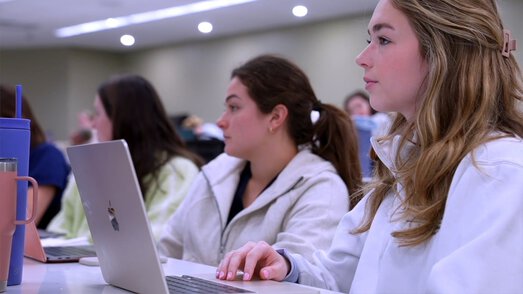
Learn about our interdisciplinary classrooms
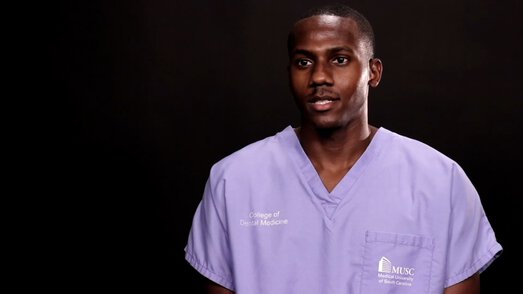
Hear from DMD students
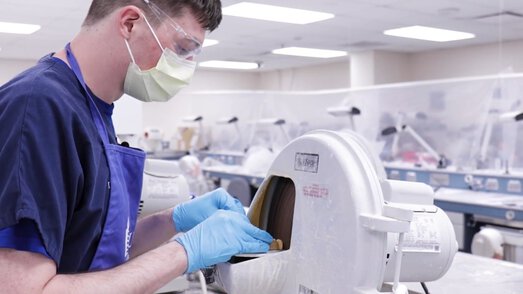
Learn about our teaching labs
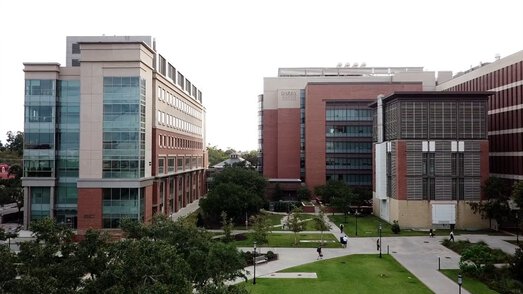
Learn more about our campus
Funding your path forward
Focus on discovery while planning responsibly by reviewing the information below, then talking with a recruiter about your Ph.D. funding package.
Tuition & Fees
Tuition and fees listed below apply to the 2026-27 academic year and are per semester unless otherwise noted.
| Fee Type | Fee |
|---|---|
| Application Fee (per application) | $95 |
| Matriculation Fee (upon applicant acceptance) | $485 |
Full-Time
Year 1
| Tuition/Fee Type | Fall | Spring | Summer |
|---|---|---|---|
| In-State Tuition | $7,905 | $7,905 | $5,610 |
| Out-of-State Tuition | $7,905 | $7,905 | $5,610 |
| Student Disability Insurance Fee | $48 | $47 | - |
| Instrumentation Fee | $2,329 | 2,328 | - |
| In-State Clinical & Lab Support Fee | $2,767 | $2,766 | - |
| Out-of-State Clinical & Lab Support Fee | $3,952 | $3,951 | - |
| In-State Dental Informatics Fee | $1,920 | $1,919 | - |
| Out-of-State Dental Informatics Fee | $3,105 | $3,104 | - |
| Gross Anatomy | - | - | $1,000 |
| Histology Fee | $100 | - | - |
Year 2
| Tuition/Fee Type | Fall | Spring | Summer |
|---|---|---|---|
| In-State Tuition | $7,475 | $7,475 | $7,475 |
| Out-of-State Tuition | $11,666 | $11,666 | $11,666 |
Year 3
| Tuition/Fee Type | Fall | Spring | Summer |
|---|---|---|---|
| In-State Tuition | $7,475 | $7,475 | $7,475 |
| Out-of-State Tuition | $11,666 | $11,666 | $11,666 |
Year 4
| Tuition/Fee Type | Fall | Spring | Summer |
|---|---|---|---|
| In-State Tuition | $7,475 | $7,475 | $7,475 |
| Out-of-State Tuition | $11,666 | $11,666 | $11,666 |
Year 5
| Tuition/Fee Type | Fall | Spring | Summer |
|---|---|---|---|
| In-State Tuition | $7,475 | $7,475 | $7,475 |
| Out-of-State Tuition | $11,666 | $11,666 | $11,666 |
Year 6
| Tuition/Fee Type | Fall | Spring | Summer |
|---|---|---|---|
| In-State Tuition | $7,905 | $7,905 | $5,610 |
| Out-of-State Tuition | $7,905 | $7,905 | $5,610 |
| Student Disability Insurance Fee | $48 | $47 | - |
| Instrumentation Fee | $2,329 | $2,328 | - |
| In-State Clinical & Lab Support Fee | $2,767 | $2,766 | - |
| Out-of-State Clinical & Lab Support Fee | $3,952 | $3,951 | - |
| In-State Dental Informatics Fee | $1,920 | $1,919 | - |
| Out-of-State Dental Informatics Fee | $3,105 | $3,104 | - |
Year 7
| Tuition/Fee Type | Fall | Spring | Summer |
|---|---|---|---|
| In-State Tuition | $7,905 | $7,905 | $5,610 |
| Out-of-State Tuition | $7,905 | $7,905 | $5,610 |
| Student Disability Insurance Fee | $68 | $67 | - |
| Instrumentation Fee | $2,329 | $2,328 | - |
| In-State Clinical & Lab Support Fee | $2,767 | $2,766 | - |
| Out-of-State Clinical & Lab Support Fee | $3,952 | $3,951 | - |
| In-State Dental Informatics Fee | $1,920 | $1,919 | - |
| Out-of-State Dental Informatics Fee | $3,105 | $3,104 | - |
Year 8
| Tuition/Fee Type | Fall | Spring | Summer |
|---|---|---|---|
| In-State Tuition | $7,905 | $7,905 | $5,610 |
| Out-of-State Tuition | $7,905 | $7,905 | $5,610 |
| Student Disability Insurance Fee | $68 | $67 | - |
| Instrumentation Fee | $2,329 | $2,328 | - |
| In-State Clinical & Lab Support Fee | $2,767 | $2,766 | - |
| Out-of-State Clinical & Lab Support Fee | $3,952 | $3,951 | - |
| In-State Dental Informatics Fee | $1,920 | $1,919 | - |
| Out-of-State Dental Informatics Fee | $3,105 | $3,104 | - |
Cost of Attendance
The Cost of Attendance, or COA, estimates the total educational expenses for an enrollment period. The information below reflects the 2026-27 academic year. The COA includes direct costs, such as tuition and fees, billed by the university, as well as indirect costs you may need to plan for, including housing, food, transportation, books and other personal expenses.
For most admitted residential Ph.D. students, the COA does not reflect what you should expect to pay out of pocket. Tuition, health insurance and a stipend are generally provided as part of the student's funding package. Instead, the COA helps determine the maximum amount a student may borrow in an academic year and supports funding-related determinations, such as grants, scholarships, loans and others.
Your actual expenses may be lower than the COA, especially with careful budgeting. MUSC's Office of Student Financial Literacy can help you create a budget that supports your education, personal needs and long-term financial goals.
| Item | Year 1 | Year 2 | Year 3 | Year 4 | Year 5 | Year 6 | Year 7 | Year 8 | Est. Total |
|---|---|---|---|---|---|---|---|---|---|
| Direct Costs | |||||||||
| In-State Tuition | $21,420 | $22,425 | $22,425 | $22,425 | $22,425 | $21,420 | $21,420 | $21,420 | $175,380 |
| Out-of-State Tuition | $21,420 | $33,280 | $33,280 | $33,280 | $33,280 | $21,420 | $21,420 | $21,420 | $218,800 |
| Health Insurance | $5,045 | $4,000 | $4,000 | $4,000 | $4,000 | $4,000 | $4,000 | $4,000 | $33,045 |
| In-State Fees | $15,599 | $300 | $300 | $300 | $300 | $14,424 | $14,464 | $14,464 | $60,151 |
| Out-of-State Fees | $20,339 | $300 | $300 | $300 | $300 | $19,164 | $19,204 | $19,204 | $79,111 |
| In-State Total Direct Costs | $42,064 | $26,725 | $26,725 | $26,725 | $26,725 | $39,844 | $39,884 | $39,884 | $268,576 |
| Out-of-State Total Direct Costs | $46,804 | $37,580 | $37,580 | $37,580 | $37,580 | $44,584 | $44,624 | $44,624 | $330,956 |
| Indirect Costs | |||||||||
| Living Expenses (Food and Housing) | $22,620 | $27,144 | $27,144 | $27,144 | $27,144 | $24,882 | $24,882 | $24,882 | $205,842 |
| Miscellaneous Personal Expenses | $2,400 | $2,880 | $2,880 | $2,880 | $2,880 | $2,640 | $2,640 | $2,640 | $21,840 |
| Transportation | $2,700 | $3,240 | $3,240 | $3,240 | $3,240 | $2,970 | $2,970 | $2,970 | $24,570 |
| Books, Course Materials, Supplies and Equipment | $5,520 | $1,585 | $1,585 | $1,585 | $1,585 | $3,410 | $3,905 | $6,610 | $25,785 |
| Total Indirect Costs | $33,240 | $34,849 | $34,849 | $34,849 | $34,849 | $33,902 | $34,397 | $37,102 | $278,037 |
| Estimated Total Costs | |||||||||
| In-State Total Costs | $75,304 | $61,574 | $61,574 | $61,574 | $61,574 | $73,746 | $74,281 | $76,986 | $546,613 |
| Out-of-State Total Costs | $80,044 | $72,429 | $72,429 | $72,429 | $72,429 | $78,486 | $79,021 | $81,726 | $608,993 |
Scholarships & Aid
MUSC offers scholarships for which you may be eligible. Some are awarded based on academic achievement; others are awarded based on community service, for example. However, the majority of scholarships awarded at MUSC are based on financial need. This means that these scholarships are only awarded to students who need some financial assistance to cover the cost of tuition and fees. If you would like to be considered for a financial need-based scholarship, you must have an up-to-date Free Application for Federal Student Aid (FAFSA) on file. Make sure you list the Medical University of South Carolina on your FAFSA form, along with MUSC's code: 003438. We encourage you to submit your FAFSA as early as possible. It is recommended to submit your FAFSA in January if you plan to enroll in the fall.
Career Outlook
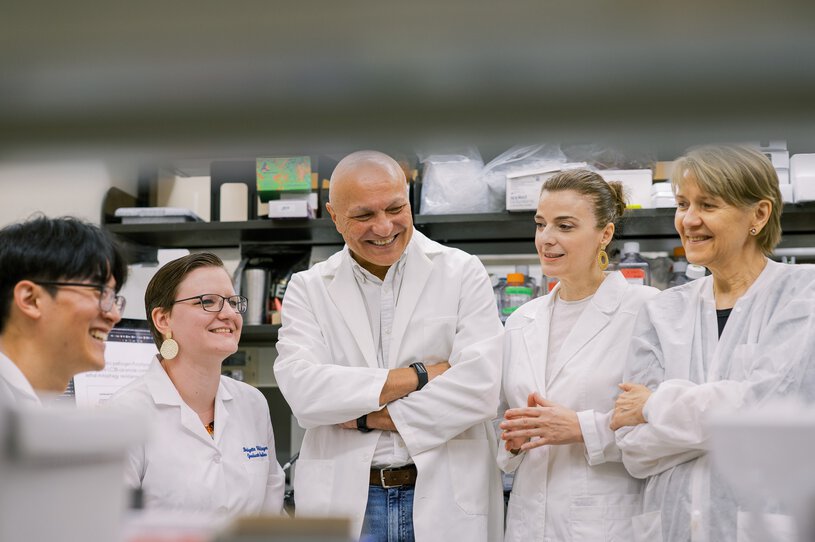
Head Academic Researcher
Leads research divisions that advance oral health science while mentoring the next generation of dental professionals
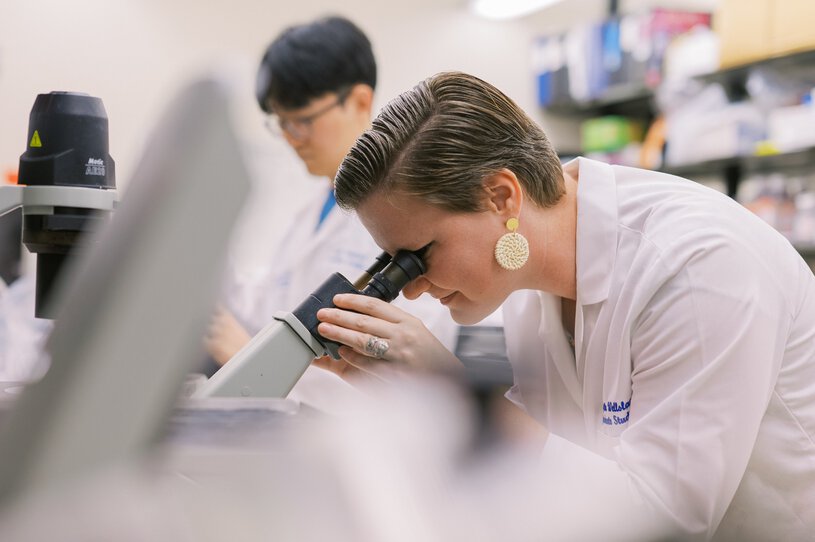
Director of Dental Research & Innovation
Oversees research initiatives that expand knowledge, transform care and position institutions at the forefront of oral health innovation.
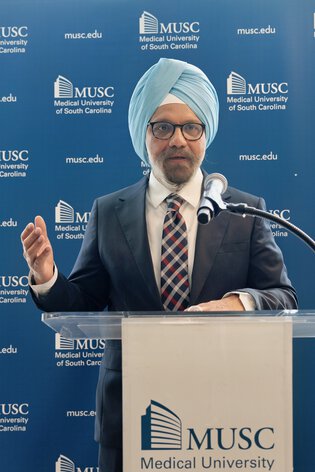
Dean
A Dean runs a college of dentistry by providing senior-level leadership of academics, research and patient care to shape the future workforce.
Program Faculty
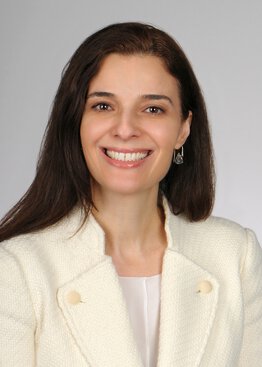
Ozlem Yilmaz, D.D.S., Ph.D.
Professor, Biomedical & Community Health Sciences
mail
yilmaz@musc.edu
call
843-792-1248
View Faculty Profile
open_in_new
View Research Profile
open_in_new
Dr. Ozlem Yilmaz is a clinician scientist who was uniquely trained as a molecular microbiologist and cellular biologist. Consequently, she combined her skills to characterize complex host cell and microbe interaction in the oral mucosa using primary cell models and system biology approaches.
As a pioneer in the field, Dr. Yilmaz demonstrated a record of collaborative studies bringing novel molecular insights in the biology of oral bacteria and their emerging roles in progression of human systemic diseases such as orodigestive cancers, vascular dementia, and metabolic syndrome. She has been placed in Top 1% most cited scientists in single calendar years since 2017 for the Microbiology and Dentistry published by Stanford University, in PloS Biology, 2021.
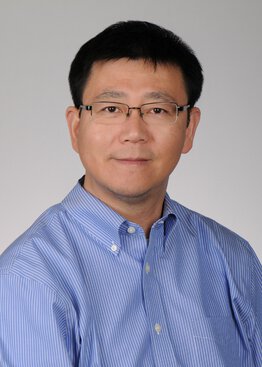
Hai Yao, Ph.D.
Professor
Oral Health Sciences
mail
yaoh@musc.edu
View Faculty Profile
open_in_new
View Research Profile
open_in_new
View Website
open_in_new
Ernest R. Norville Endowed Chair in Biomedical Engineering
Professor and Associate Chair for CU-MUSC Bioengineering Program
Office: BEB 202
Phone: 843-876-2380
haiyao@clemson.edu
Tissue Biomechanics Laboratory
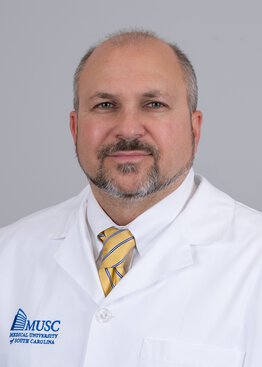
Andrew Jakymiw, Ph.D.
Associate Professor, Department of Biomedical & Community Health Sciences, College of Dental Medicine
mail
jakymiw@musc.edu
call
843-792-2551
View Faculty Profile
open_in_new
View Research Profile
open_in_new
Dr. Jakymiw’s research is focused on the study and development of cell-penetrating peptide (CPP)-mediated targeted delivery strategies for therapeutic nucleic acid-based drugs in the treatment of varied diseases, including cancer and age-related macular degeneration (AMD), as well as in the prevention of early ischemic injury in organ transplantations.
Moreover, his laboratory is also involved in the study of cell entry mechanisms that CPPs employ to deliver various nucleic acid-based cargos into cells, which could prove instrumental in informing new CPP designs toward the advancement of more efficacious peptide carriers for human therapies.
Frequently Asked Questions
There are many ways to get involved!
Within the College of Dental Medicine
Organizations within the dental school include the American Student Dental Association (ASDA) and the American Association of Women Dentists (AAWD) along with the two dental fraternities, Psi Omega and Delta Sigma Delta, which host social and recreational activities during the school year.
During the research component of the program, these events give DSTP students an opportunity to keep in touch with their dental school classmates.
Across MUSC
While in graduate school, the Graduate Student Association conducts activities and socials for graduate students and helps support additional graduate student organizations.
Events hosted by the Student Government Association (SGA) bring students together from all six MUSC colleges. SGA hosts numerous events throughout the school year including Oktoberfest, oyster roasts, happy hours, concerts and the annual ALHAMBRA Spring festival.
The SGA also organizes intramural athletic programs including basketball, volleyball, flag football and softball, which are available to all MUSC students.
In addition, the Wellness Center, a state-of-the-art fitness facility, provides students with an array of workout equipment, racquetball, tennis and pickleball courts, swimming pool, indoor track and exercise and fitness classes.
The Dental Medicine Scientist Training Program prepares students to be both dentists and researchers. With this unique perspective, you will be poised to contribute to expanding the knowledge upon which we base our nation’s dental care.
Dental research career opportunities exist at:
- University dental schools
- Dental research institutes
- Private industry
- Government agencies
- State public health departments
- Research institutes, including:
- National Institutes of Health
- National Institute of Dental and Craniofacial Research
- Centers for Disease Control
- Armed Forces
- Indian Health Service
- Veterans Administration
Additional information about career opportunities is available at: the ADA and the National Institute of Dental and Craniofacial Research (NIDCR).
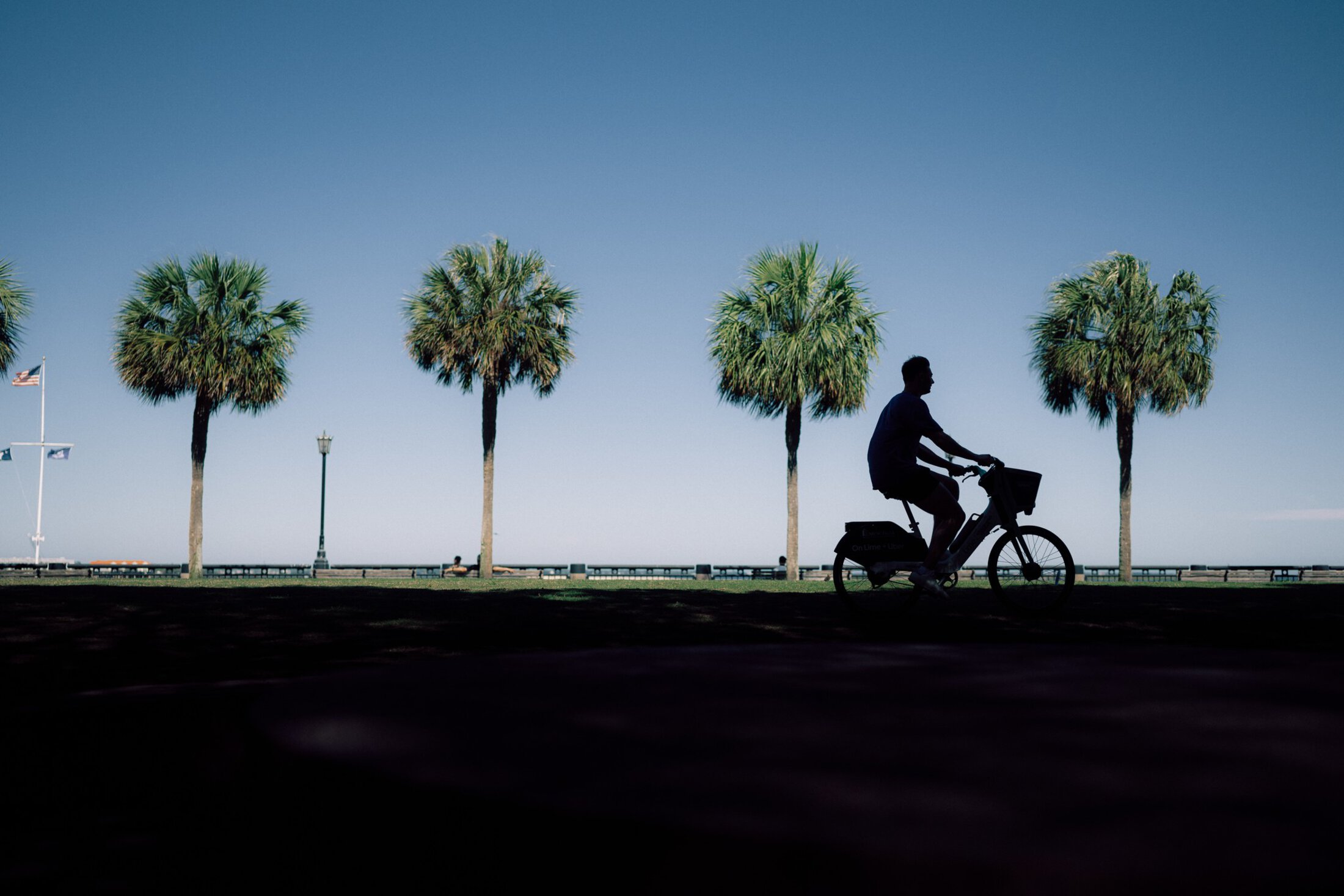
Living in Charleston
Charleston offers a unique blend of coastal beauty and modern convenience. With top-rated dining, scenic waterfronts and endless outdoor activities, the city offers an unmatched quality of life for residents, striking a balance between work and leisure.
Guided by purpose & principles
Rooted in MUSC’s culture of collaboration, integrity and impact, the program balances rigorous science and clinical care to prepare leaders advancing oral health equity and discovery.
Objectives
The DSTP program aims to prepare graduates to:
- Lead scholarly discovery that advances foundational knowledge of oral and craniofacial biology and its translation into improved health outcomes
- Practice ethically informed clinical care, informed by a strong grounding in rigorous research methodology and scientific evidence
- Contribute to the academic and public health enterprise through roles as educators, investigators and policy‑aware professionals across diverse settings
- Engage in integrative, interprofessional collaborations that address complex oral health challenges within societal and global contexts
Competencies
Upon completion of the DSTP program, graduates should be able to:
- Design, conduct and interpret hypothesis‑driven research that adheres to ethical and methodological standards in oral health sciences
- Demonstrate proficiency in advanced clinical dental procedures, applying evidence from translational research to patient care responsibly
- Critically evaluate scientific literature and integrate emerging discoveries into clinical decision‑making and research design
- Communicate complex scientific and clinical information clearly and effectively to academic peers, health care collaborators and community stakeholders
- Navigate ethical dimensions of clinical research, including issues of human subjects’ protection, data integrity and dual‑role responsibilities
- Collaborate across disciplinary boundaries to drive innovation in clinician scientist pathways
Vision
To lead the integration of dental medicine and scientific discovery, advancing oral health and wellness through innovation, interdisciplinary collaboration and transformative research that improves lives.
Values
At the core of our program, we are guided by a commitment to the following values that drive our mission:
- Compassion: We act with kindness, empathy and dignity.
- Collaboration: We achieve common goals through teamwork and partnerships.
- Innovation: We drive transformation by embracing new ideas, discoveries and practices.
- Integrity: We do the right thing and commit to accountability in words, actions and use of resources.
- Respect: We value everyone and their many perspectives to build trust and a sense of belonging.
Mission
To develop graduates as clinician‑scientists through integrated training in dental practice and biomedical research, serving oral health advancement via methodologically rigorous inquiry, interprofessional collaboration and ethical engagement in academic, public health and translational settings.
Stories worth sharing
Read news and profiles highlighting trainees’ patent applications, NIH fellowships, research day honors and breakthroughs in oral cancer and microbiome science.
Education + College of Dental Medicine
MUSC honors faculty at 2026 James W. Colbert Lectureship and Faculty Awards and Recognition...
MUSC News + College of Dental Medicine
Brushing up on hydroxyapatite toothpaste with an MUSC Health dentist
News Releases + College of Dental Medicine
MUSC Advances Digital Dentistry Innovation and Education with Contribution from Henry Schein
Accreditation & Recognition
Accredited and recognized for excellence in training clinician scientists, this program combines rigorous educational standards with national research funding and oversight.
The James B. Edwards College of Dental Medicine is fully accredited by the Commission on Dental Accreditation (CODA) of the American Dental Association (ADA) in the following programs. CODA accreditation means that our programs meet or exceed established standards for a professional program leading to the Doctor of Dental Medicine degree or specialty certifications.
- Advanced Education in General Dentistry
- Doctor of Dental Medicine
- Endodontics
- Pediatric Dentistry
- Periodontics
- Orthodontics
- Oral & Maxillofacial Surgery
CODA accredits dental and dental-related education programs including advanced dental education programs and allied dental education programs in the United States, functioning independently and autonomously in matters of developing and approving accreditation standards, making accreditation decisions on educational programs and developing and approving procedures that are used in the accreditation process. To learn more about their work, you may visit the CODA website.
For further information regarding accreditation, please contact the Office of Academic Affairs at the James B. Edwards College of Dental Medicine by phone at 843-792-2344.
Whereas accreditation applies to training programs, licensure applies to individuals. Each of our programs prepares students for and makes them eligible to take relevant licensing exams, which all individuals must pass in order to practice dentistry or a dental specialty. Passing the licensure exam is necessary but it may not be sufficient to practice in a given state. You may visit the ADA website to view additional requirements for practicing dentistry in each state.