


Endodontics Residency
book_2 Learning Mode: Residential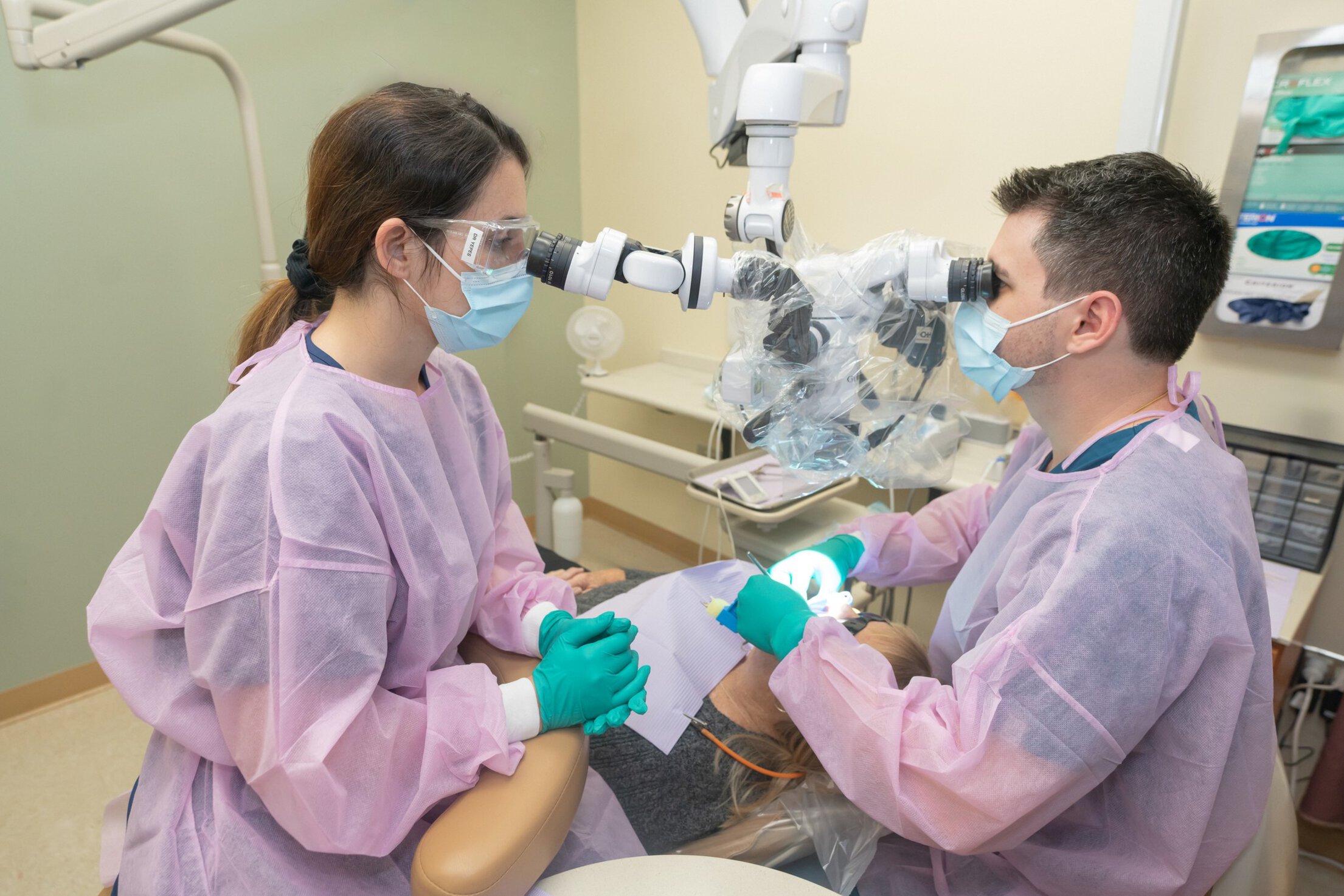
Program Overview
The advanced postdoctoral education program in endodontics was granted “approval without reporting requirements” by the ADA Commission on Dental Accreditation (CODA), a specialized accrediting body recognized by the Council on Post-Secondary Accreditation, effective September 2025.
The objective of this postdoctoral endodontic program is to develop specialists with a sound academic background on which to base clinical treatment, research, and teaching. As many as three postdoctoral students are accepted for matriculation each year.
Training Experience
Advance your expertise through complex endodontic cases, hands-on clinical training, research, and seminars that prepare you for specialist certification and leadership in patient-centered care.
Clinical Experience
The clinical components of the program include:
- Diagnostic examination and testing procedures
- Evidence-based dentistry and clinical application
- Interdisciplinary treatment planning
- Odontogenic and nonodontogenic differential diagnosis
- Emergency and pain management
- Trauma management
- Bleaching therapy
- Surgical operating microscope magnification
- Initial and retreatment nonsurgical therapy
- Microsurgical endodontics
- Combined endodontic-periodontic therapy and osseous grafts
- Nitrous oxide and oral sedation antianxiolysis
- Medically compromised patient therapy
- Vital pulp therapy
- Pulp regeneration therapy
- Pediatric therapy
- Post space preparation, and post with core buildup procedures
- Recall assessment
- Digital radiography including CBCT
- Case preparation per American Board of Endodontics format
Didactic Experience
The didactic components of the program include:
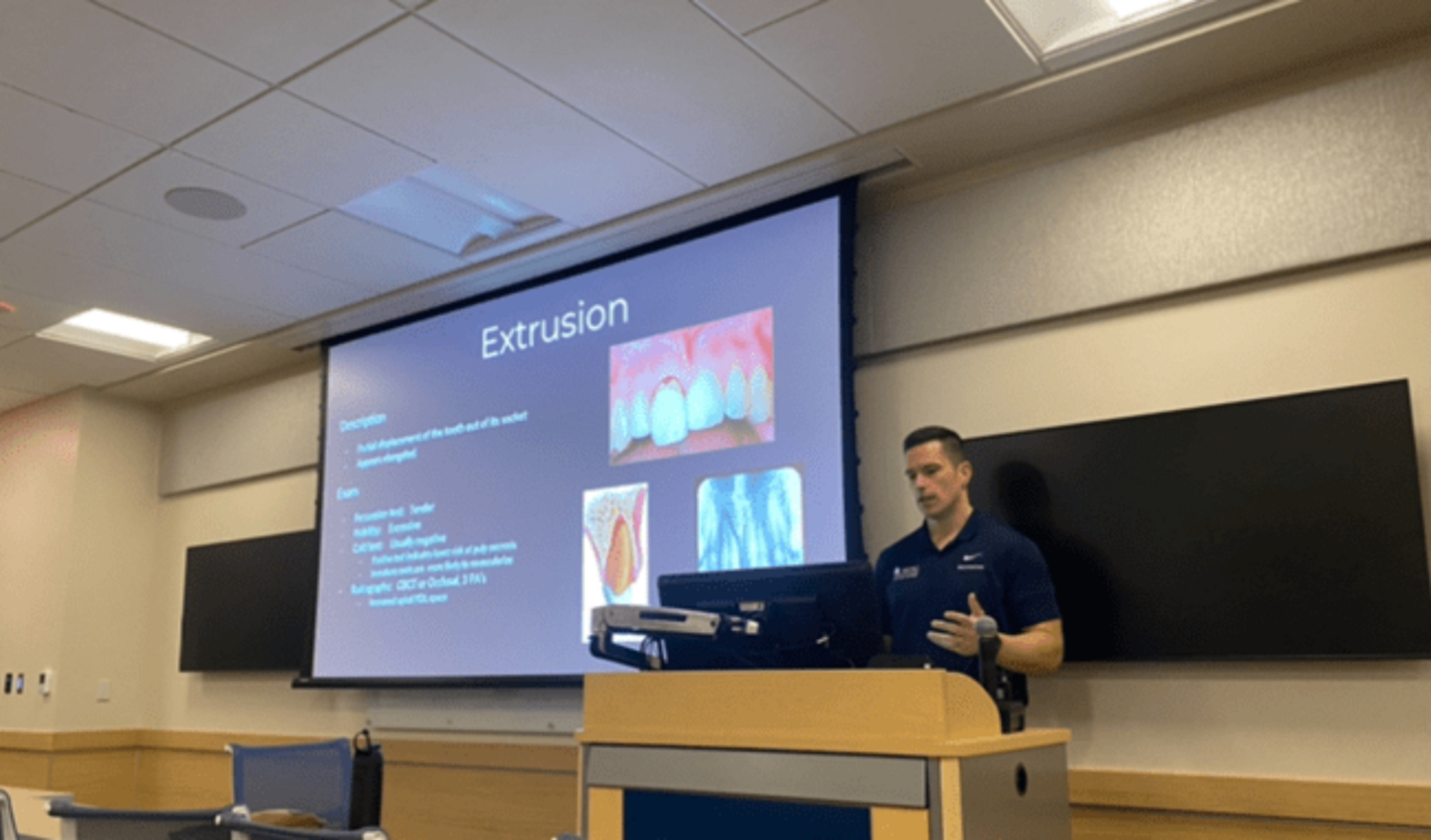
- Treatment planning and case review, classic literature, and current literature review each occur weekly in a seminar format. Additionally, endodontic lecture presentations are presented weekly on a variety of special topics.
- Emphasis is placed on training clinicians who are competent in all aspects of endodontics so that they will be eligible for certification by the American Board of Endodontics. Candidates will also be required to complete a Master of Science in Dentistry (MSD) in the James B. Edwards College of Dental Medicine with an additional curriculum of core courses in biomedical sciences. The curriculum is flexible enough to accommodate candidates desiring private practice as well as those interested in academics and research.
- The MSD program is completed simultaneously with the clinical Certificate program, and there is no option for a Certificate only program. The combined MSD and Certificate program is twenty-six (26) months duration and is the only track available. New students are expected to begin their program on July 1 and no provision is made for other than full-time participation in the postdoctoral endodontic program.
- A research project culminating in defense of a thesis is mandatory, and the preparation of a manuscript suitable for publication in a peer-reviewed journal is strongly recommended. Copies of the MUSC clinic and student policies are available to the applicant upon request. The postdoctoral endodontic student will be on emergency call every sixth week. All students are required to provide their own laptop or tablet, with only contemporary models being acceptable.
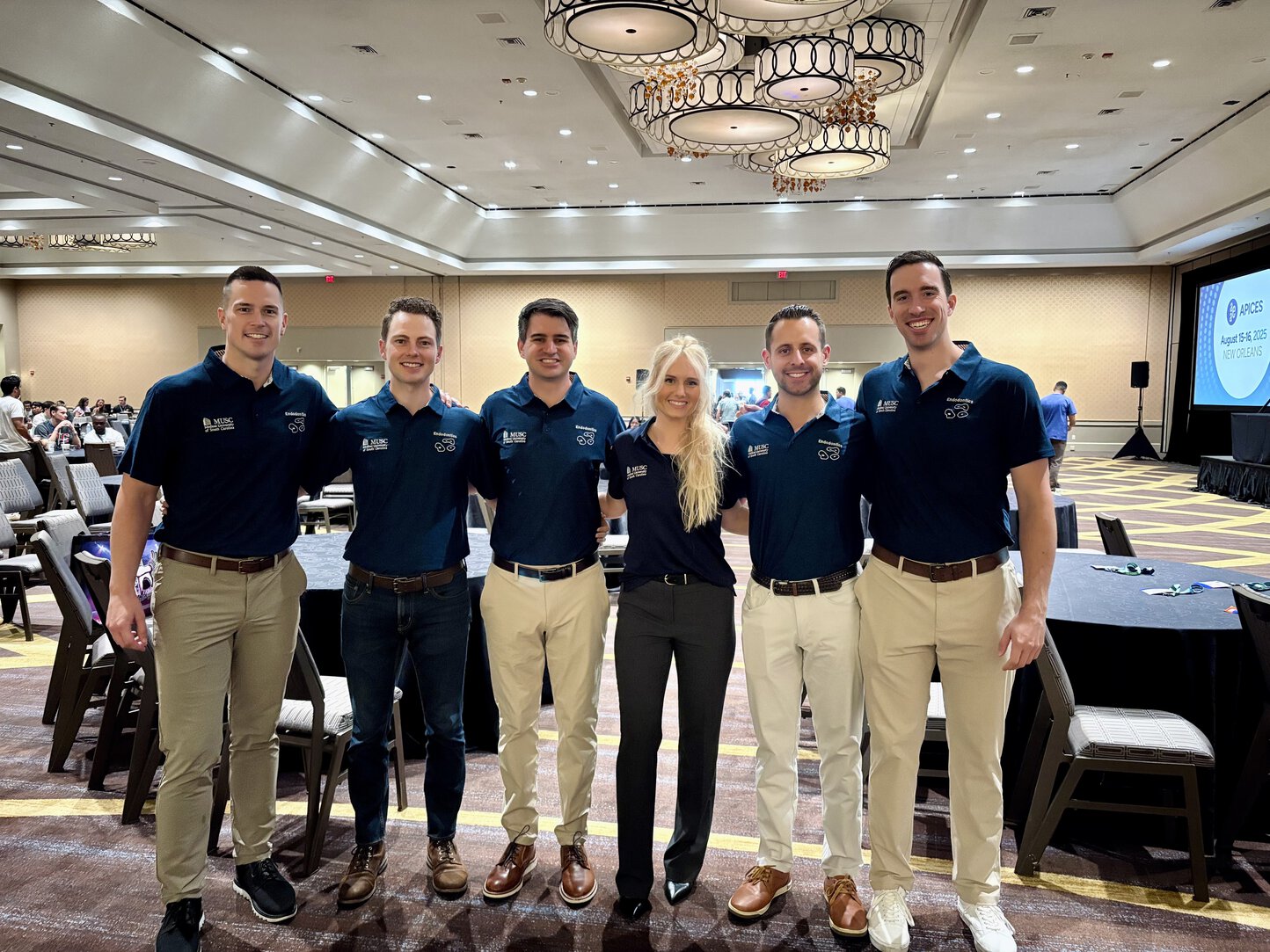
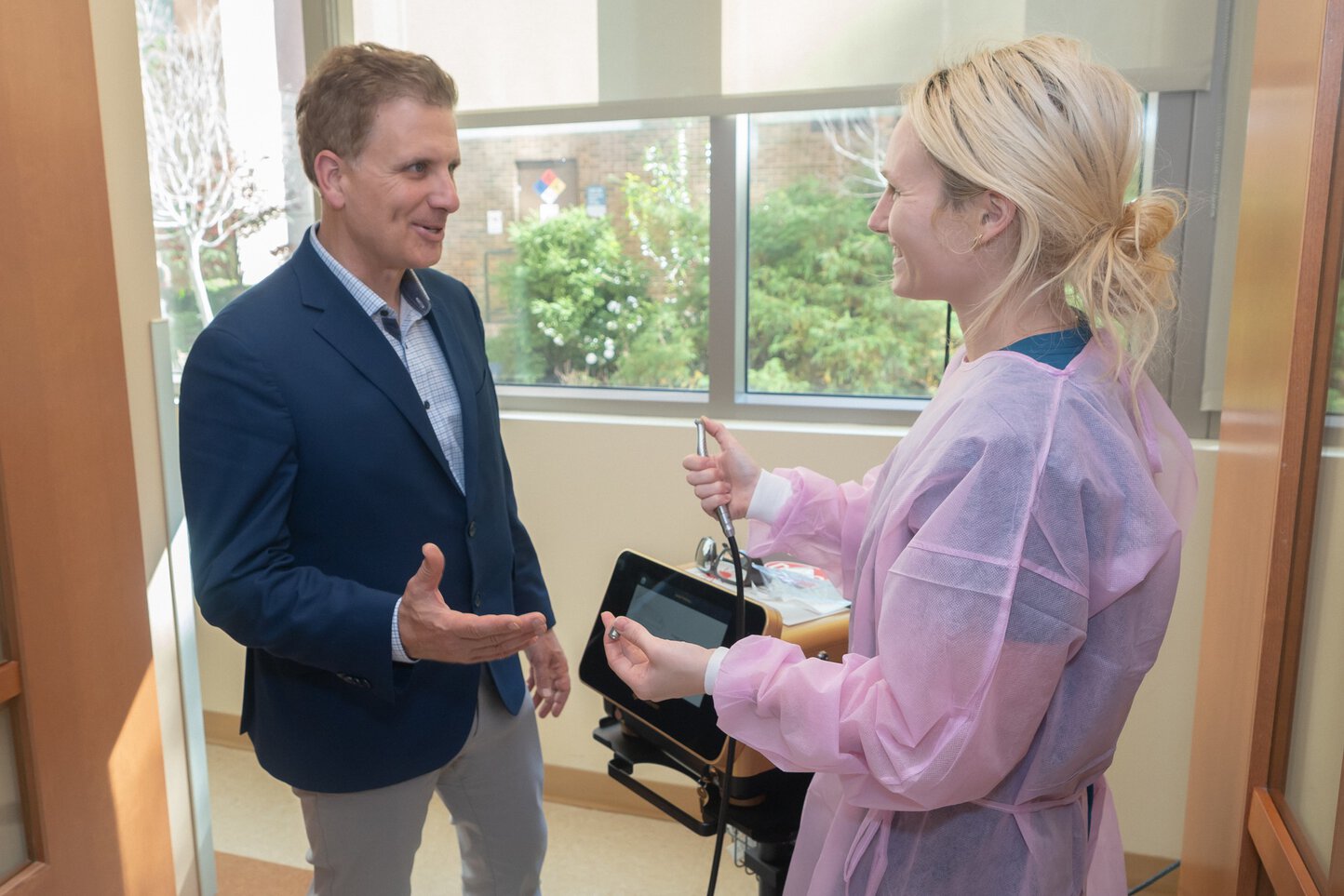
From classroom to clinic
Your path to admission
International Applicants
Applicants are required to have graduated from a CODA-accredited dental school.
It is the policy of the Medical University of South Carolina not to discriminate on the basis of race, creed, national origin, or sex in its admissions, employment, and other educational activities and programs.
The application and all supporting data are to be sent to the program coordinator address listed above. Once received, the application and all associated documents become the property of MUSC and cannot be returned.
Application Process
The application cycle is conducted through the American Dental Education Association Postdoctoral Application Support Service (ADEA PASS).
Following the interview, applicants offered a position in the College of Dental Medicine postdoctoral endodontic program are required to submit a letter of intent.
Funding your path forward
Tuition & Fees
Tuition and fees listed below apply to the 2026-27 academic year and are per semester unless otherwise noted.
| Fee Type | Fee |
|---|---|
| Application Fee (per application) | $95 |
| Matriculation Fee (upon applicant acceptance) | $485 |
Full-Time
| Tuition/Fee Type | Fall | Spring | Summer |
|---|---|---|---|
| In-State Tuition |
$10,157 | $10,157 | $9,086 |
| Out-of-State Tuition | $10,157 | $10,157 | $9,087 |
| Program Fee | $2,300 | $2,300 | - |
| International Student Fee | $15,000 | $15,000 | - |
Cost of Attendance
The Cost of Attendance, or COA, estimates the total educational expenses for an enrollment period. The information below reflects the 2026-27 academic year. The COA includes direct costs, such as tuition and fees, billed by the university, as well as indirect costs you may need to plan for, including housing, food, transportation, books and other personal expenses.
The COA helps determine the maximum amount a student may borrow in an academic year and supports funding-related determinations, such as grants, scholarships, loans and others.
Your actual expenses may be lower than the COA, especially with careful budgeting. MUSC's Office of Student Financial Literacy can help you create a budget that supports your education, personal needs and long-term financial goals.
| Item | Year 1 | Year 2 | Year 3 | Est. Total |
|---|---|---|---|---|
| Direct Costs | ||||
| In-State Tuition | $32,734 | $32,734 | $10,157 | $75,625 |
| Out-of-State Tuition | $32,734 | $32,734 | $10,157 | $75,625 |
| Health Insurance | $5,045 | $4,000 | - | $9,045 |
| Fees | $4,975 | $4,900 | - | $9,875 |
| In-State Total Direct Costs | $42,754 | $41,634 | $10,157 | $94,545 |
| Out-of-State Total Direct Costs | $42,754 | $41,634 | $10,157 | $94,545 |
| Indirect Costs | ||||
| Living Expenses (Food and Housing) | $24,882 | $27,144 | $6,786 | $58,812 |
| Miscellaneous Personal Expenses | $2,640 | $2,880 | $720 | $6,240 |
| Transportation | $2,970 | $3,240 | $810 | $7,020 |
| Books, Course Materials, Supplies and Equipment | $1,360 | $2,360 | $680 | $4,400 |
| Total Indirect Costs | $31,852 | $35,624 | $8,996 | $76,472 |
| Estimated Total Costs | ||||
| In-State Total Costs | $74,606 | $77,258 | $19,153 | $171,017 |
| Out-of-State Total Costs | $74,606 | $77,258 | $19,153 | $171,017 |
Program Faculty
Dr. Michael Cotter, Program Director
Dr. Luis Yepes
Dr. Lawrence Miller
Dr. Wade Nichols
For more profiles of faculty, please visit our Administration & Faculty page.
Guided by Purpose & Principles
Objectives
The objectives of the Advanced Postdoctoral Education Program in Endodontics is centered around three primary goals.
- Cultivate transformative leaders and oral health professionals who possess the biomedical knowledge, clinical skills and competency, and values necessary to excel in endodontics and drive the future of oral health.
- To provide the resident with an understanding of the technological basis of dentistry in general with specific emphasis on the specialty of endodontics.
- To establish a sound biological basis for the clinical practice of endodontics.
- To develop an endodontic specialist who will be able to make independent decisions based on a thorough understanding of the total health care needs of the patient.
- Demonstrate professional behavior, ethical principles, and competency in clinical skills in all aspects of patient care.
- To be prepared to properly diagnose, treatment plan, and execute treatment for patients with endodontic needs.
- To provide a variety of endodontic cases so that the resident becomes proficient in non-surgical/surgical endodontic treatment cases.
- To effectively interact with different specialties (medical and dental) to support comprehensive dental needs of patients
- Enable residents to design, conduct, and analyze endodontic research, critically evaluate literature, while also fostering lifelong learning.
- To provide each resident the opportunity to develop a research proposal and experience the steps involved with conducting the research to the conclusion.
- To provide a basic understanding of research methodology and scientific writing to critically interpret the endodontic literature.
Mission
To promote an unlimited learning environment for its residents and staff in order to provide the best endodontic care to the patients and to promote continued professional growth through education, patient care, and research.
Contact Us
Michael Cotter, D.D.S.
Director, Postdoctoral Endodontic Program
Associate Professor
Miss Vanessa Chapin
Program Coordinator
173 Ashley Avenue
BSB 542 MSC 507
Charleston SC 29425
chapinv@musc.edu
843-792-7814 or 843-792-2216