


Digital Dentistry Residency
book_2 Learning Mode: Residential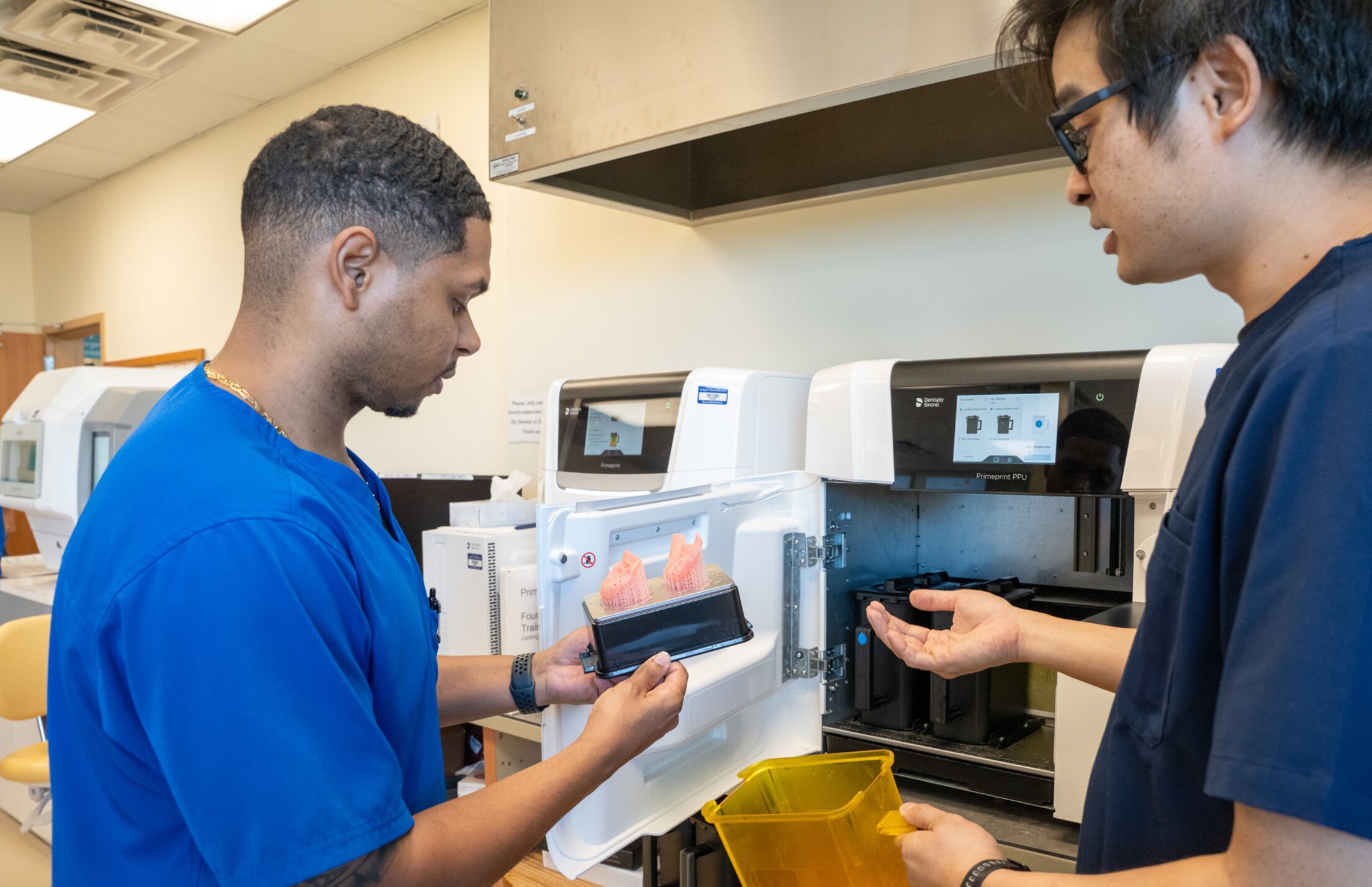
Program Overview
The Digital Dentistry Residency at the Medical University of South Carolina is the first full-time program of its kind. This unique, postdoctoral experience is a two-year clinical program with an emphasis on prosthodontic rehabilitations using multiple digital and analog systems to restore routine to complex patients.
Application Deadline: September 1
Start Term
- U.S. Resident: July 1
- International: Summer semester starts in early May
Training Experience
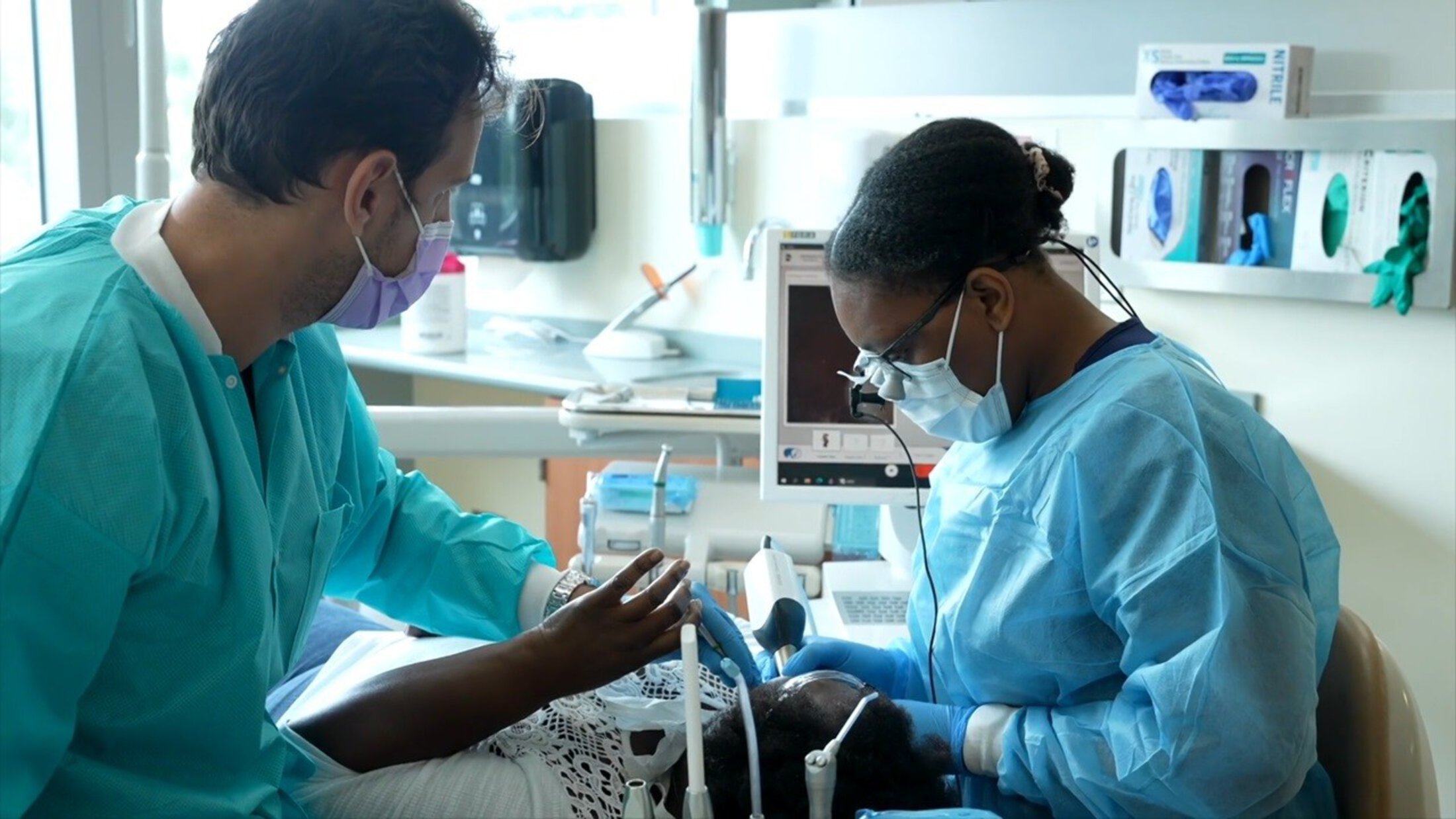
Train in advanced digital workflows, prosthodontic rehabilitation, and innovative treatment planning, gaining hands-on experience that prepares you to lead in modern, technology-driven dentistry.
Clinical Experience
The Digital Dentistry Residency is focused on synergistically applying the latest technology available for advancing patient care. Components of the program include:
- Digital implant planning (Blueskyplan, Romexis guided, Simplant, Exoplan)
- Digital intraoral and laboratory scanning (Medit, 3Shape, Planmeca, Cerec, iTero)
- 3D printing, resin and metal laser sintering technology (Sprintray, Ackuretta, Asiga, Sisma)
- CAD/CAM design (Exocad, Planmeca, 3Shape, CEREC, Meshmixer)
- 3D and 2D smile design
- Milling (Roland, Cerec, Planmeca, Ivoclar Vivadent)
- Guided surgical implant placement (Blueskybio, Biohorizons, Straumann, Zimmer, Astratech)
- Digital hybrid fabrication
- Digital dentures
- Chairside milled ceramics
- Laboratory milling
- State-of-the-art biomaterials in milling and 3D printing technologies
- Surgical principles
- Prosthetic principles
- Conservative adhesive ceramics
- Veneers
- CBCT technology
- Literature review
- Evidence-based dentistry
- Clinical photography
Didactic Experience
Candidates will have the opportunity to complete a Master of Science in Dentistry (MSD) in Digital Dentistry. This degree requires completion of a research project and defense of a thesis project. The didactic component of the program includes treatment planning seminars and literature review seminars in addition to formal lecture courses. The Master's degree program is completed simultaneously with the clinical certificate program in Digital Dentistry and there is no option for a certificate-only program. The Master's degree and certificate in Digital Dentistry program is a minimum of 24 months in length. A research project culminating in the defense of a thesis is mandatory, and preparation of a manuscript suitable for publication in a peer-reviewed journal is strongly recommended.
Your path to admission
Eligibility Requirements
All applicants must possess a Doctor of Dental Medicine (D.M.D.), Doctor of Dental Surgery (D.D.S.), or equivalent.
We encourage general dentists and specialists to apply. There is no option for part-time attendance.
Application Process
The following process outlines how and when your materials will be reviewed.
- Submit the American Dental Education Association Postdoctoral Application Support Service (ADEA PASS) application.
- Submit all supplemental materials, if not included within the application.
- Once all materials have been received and verified, your application will be reviewed after completion.
Application Requirements
- ADEA PASS Application: The following materials must be submitted through the American Dental Education Association Postdoctoral Application Support Service (ADEA PASS).
- Official transcripts from all institutions attended. This should include your dental diploma. English translation must be used for transcripts not in the English language.
- Resume or CV: Applicants should include any relevant presentations, publications, clinical, or research experience. There are no length requirements.
- Supplemental Material: Applicants will need to submit the following supplemental materials.
- Letters of recommendation: All applicants must submit three letters of recommendations from individuals who know you and your abilities. One of these letters must come from the dean or the program director. All letters should be sent directly to MUSC with contact information attached to the recommendation.
International Applicants
All foreign applicants whose primary language is not English should submit a Test of English as a Foreign Language (TOEFL) scores. We do not accept the IELTS test. A minimum TOEFL score of 90 is required for application consideration. TOEFL test scores are taken more than three years before the application date will not be accepted.
All international students will be expected to attend a comprehensive preclinical course aiming to prepare them for clinical protocol, clinical responsibilities, and patient care. At the end of the course, the student is expected to pass a competency exam to be able to provide active patient care in the clinics. This credentialing process is overseen by the assistant dean for innovation and the program director.
Program Faculty
For profiles of faculty dentists in the Department of Reconstructive and Rehabilitation Sciences, please visit our Administration & Faculty page.
Guided by Purpose & Principles
Objectives
The objective of this program is to provide clinicians with a sound academic and clinical background in digital dentistry with a wide variety of technologies from over 20 different manufacturers. Emphasis is placed on training clinicians who are competent in all aspects of digital dentistry from guided surgical implant placement to 3D smile design, full mouth rehabilitation, and computer-assisted manufacturing of high-quality restorations. The program is enriched by comprehensive treatment planning involving full mouth rehabilitation, treatment of edentulism, and rehabilitation of the worn dentition. Contemporary esthetic materials and dental implant therapy are emphasized.
Vision
To innovate the future of oral health and wellness.
Values
At the core of our program, we are guided by a commitment to the following values that drive our mission:
- Compassion: We act with kindness, empathy and dignity.
- Collaboration: We achieve common goals through teamwork and partnerships.
- Innovation: We drive transformation by embracing new ideas, discoveries and practices.
- Integrity: We do the right thing and commit to accountability in words, actions and use of resources.
- Respect: We value everyone and their many perspectives to build trust and a sense of belonging.
Mission
To develop transformative leaders and oral health providers to improve wellness. Our commitment to education, research, service, and patient care will be driven by a collaborative and entrepreneurial approach that will result in global impact on the profession.